
Crosstalk
Growth teardownLibrary ID: report-mise-meal-planner-growth-teardown
Mise Found an 8.2M-View Hook Inside a $55 Grocery Run
- Platform
- TikTok
- Format
- Pattern interrupt
- Category
- Food & Drink
- Posted
- 1 Oct 2026
Creative breakdown
Mise turned retailer familiarity, budget constraints and weekly meal planning into a repeatable Canvas UGC system, with separate creator identities scaling the same premise.
Our take
Mise makes an unknown app relevant by opening with Aldi, a grocery budget and a weekly planning problem. The product appears only after the situation is clear.
Adapt for your brief
Lead with a familiar retailer and a measurable household constraint, then reveal the store-specific meal plan as the resolution.
Our take and suggested adaptations are editorial interpretation, not measured results.
Full strategy breakdown
One Aldi sentence got Mise 8.2M views on a brand-new TikTok account. Second creator ran the same premise and got 3.2M.
We went through 21 verified posts from 15 creator identities to see how the machine works. This is our opinion on what Mise is doing right, and what no public number can prove yet. Views are public. Paid users aren’t.
Mise runs a distributed Canvas UGC system around a problem people already understand - weekly grocery planning.
Useful lesson - an unknown app becomes easier to sell when the hook begins with an existing habit, a real budget and a visible constraint.
Mise did not lead with AI meal planning.
Creators started with stores people already use, then showed why the normal weekly routine felt harder than it should.
One creator had 1,735 followers when her strongest post reached 8.2M views.
- 15 verified non-brand TikTok identities
- 13 Canvas or repurposed campaign identities
- 16.89M views across a verified 21-post sample
- 8.2M views on strongest US post
- 82.3% of sampled reach came from top three posts
Familiar behavior carried distribution before product awareness existed.
Mise opens with a grocery store, not an app
Mise is a subscription meal-planning app. Pick your store, household size, cooking days, budget, diet, allergies, preferences, and equipment. Get up to 7 dinners, one shopping list, and step-by-step recipes.
So much to cover in a few seconds so the creators don’t explicitly point all of it out.
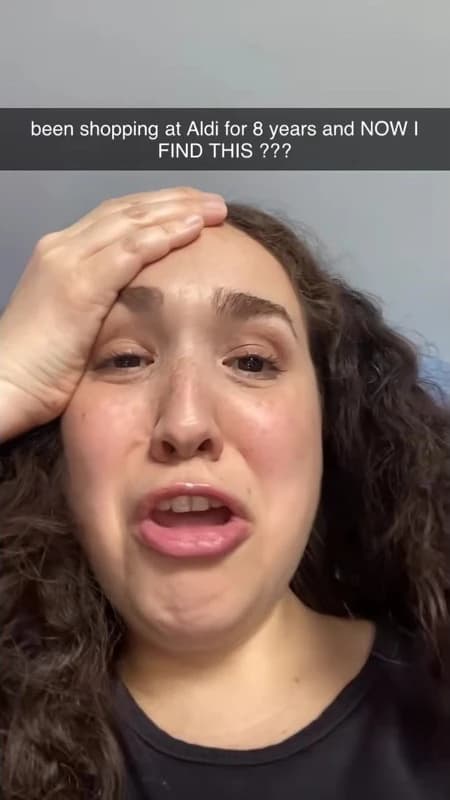
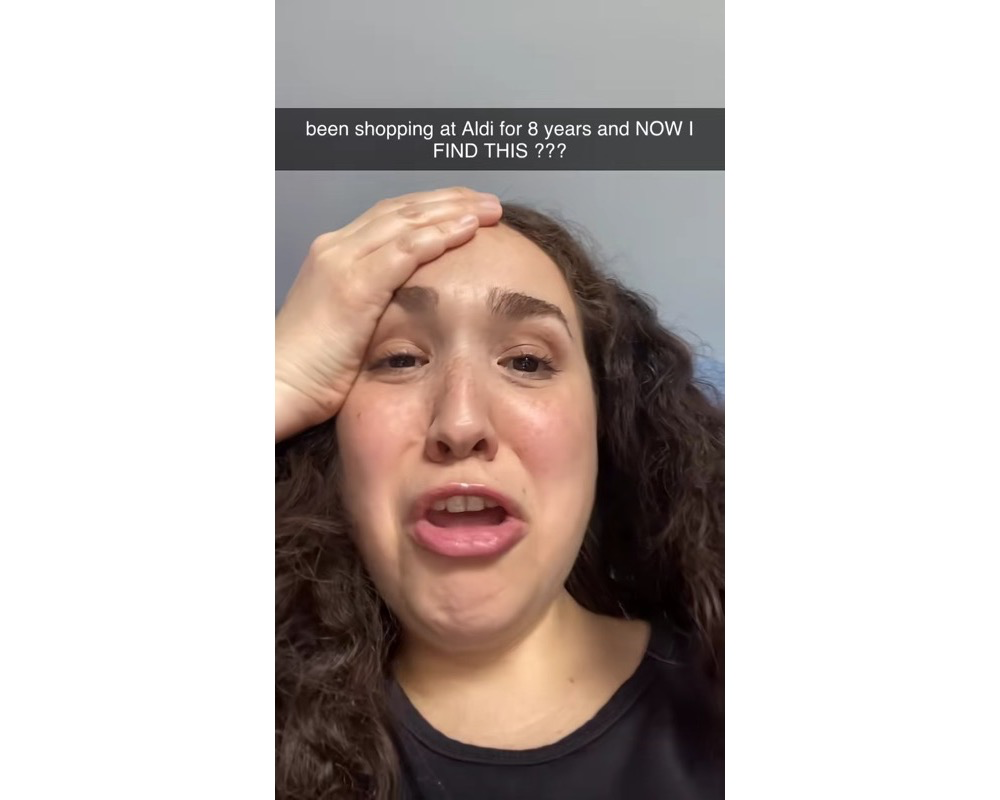
@carla.eatsss opens with “been shopping at Aldi for 8 years and NOW I FIND THIS???” and never says AI.
Aldi (a discout supermarket chain) makes people stop to realize Mise is answers a question they haven’t been paying attention to.
App only appears once you understand what’s happening. That’s the trick.
Viewer gets a familiar shopping habit and a missing piece.
Classification - dedicated Canvas account.
Views prove attention, not installs or paid subscribers.
Constraints make output believable
Creator selects a retailer instead of asking viewers to trust a generic meal plan.
Weekly budget is set to $55.
Household needs, diet and available appliances narrow the result.
Mise pays off the hook with dinners, one shopping list and projected grocery cost.
Second creator proved the hook could travel
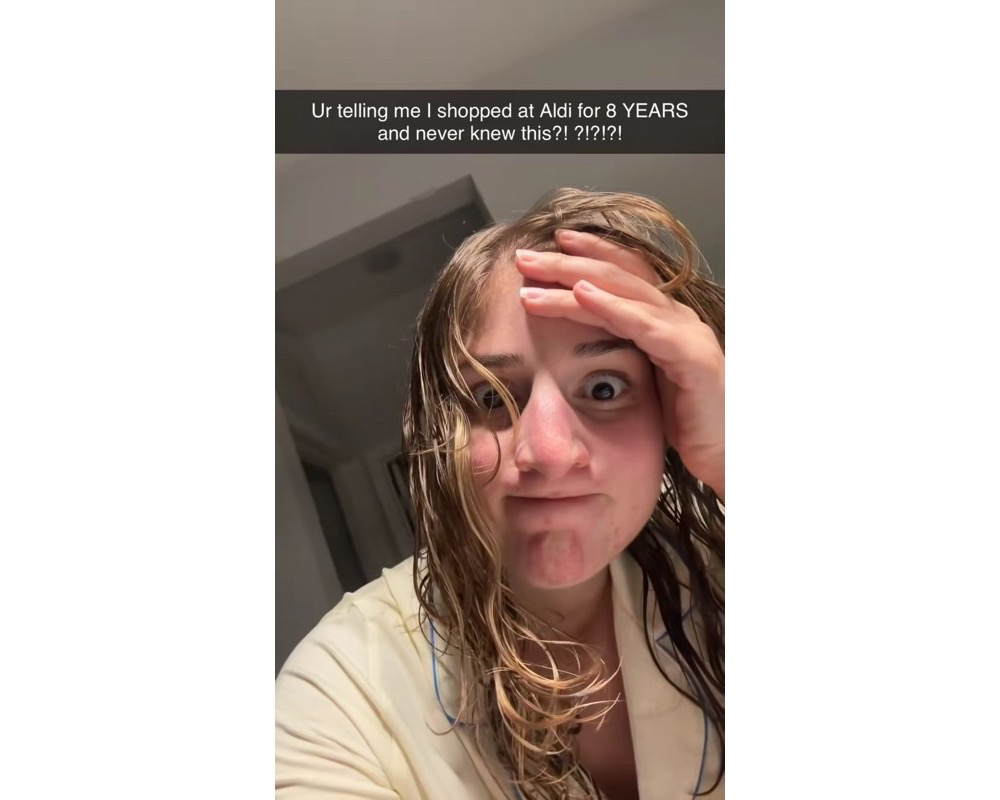
@cookingwlil opens with “Ur telling me I shopped at Aldi for 8 YEARS and never knew this?!?!?!”
Her version reached 3.2M views, 75.4K likes, 54.8K shares and 32.1K saves.
Same sequence - retailer, surprise gap, budget, dietary filters, plan and shopping list.
Replication across separate identities makes this more than one lucky personality fit.
Canvas changes what gets tested
Fresh and dedicated identities let Mise rerun a proven premise with a different face, household and audience sample.
Each account becomes a distribution test, not just a production vendor.
Established creator and ad-authorized posts sit in a separate KOL or paid layer.
Owned Mise accounts are excluded from creator totals.
Campaign-level verdict - Canvas UGC is verified, with a smaller established-creator layer beside it.
Product loop matches the promise
Mise asks for supermarket, budget, household size, cooking days, dietary needs and available equipment.
It returns up to seven dinners, one consolidated list and step-by-step recipes.
Conversion path - familiar grocery problem, visible constraint inputs, store-specific plan, free trial, subscription.
Weekly planning creates a natural return moment instead of a one-use AI demo.
Cross-platform extends shelf life, not proof of equal reach.
TikTok is the verified reach engine for the strongest creator identities.
Instagram confirms account continuity, but public Reel views were not consistently available.
YouTube Shorts showed reuse, not comparable distribution.
Cross-posting should be measured by retained subscribers, not upload count.
Creative loop is simple:
- retailer or grocery habit
- budget, diet or equipment constraint
- Mise plan and shopping list
- store visit
- cook through the week
- subscription decision
Next weekly plan and next creator hook
Why setup scales
One strategic spine can support different retailers, budgets, households and creator personalities.
US, UK and Australian examples show the format can travel without making every script identical.
Verified winners appeared from 94.2K to 8.2M views.
Low follower counts versus high post reach suggest the concepts travelled beyond owned audiences.
Reach remains concentrated in a few posts, so more accounts do not automatically mean repeatable performance.
TikTok builds demand. Instagram and YouTube mostly store it
Two cross-platform checks show the same trend:
- @carla.eatsss: 163 Instagram followers, 12+ reels, 4 YouTube subscribers.
- @cookingwlil: 971 Instagram followers, 12+ reels; 137 YouTube subscribers, 90 videos, recent shorts ~1K–2.2K views.
The clips are repeatable. However, reach isn’t comparable.
Aldi winner per platform:
- TikTok: surprise hook first
- Reels: cost result first
- Shorts: searchable store + budget title
Same payoff.
Views still prove attention, not business efficiency.
Commercial picture stays incomplete.
A third-party estimate places monthly revenue around $300K. It is directional, not company-reported MRR.
Public data does not reveal creator fees, paid usage, attributed installs, trial conversion, retention, refunds or CAC.
No reliable creator ROI or ROAS can be calculated from public evidence.
- What to copy
- Begin with a habit the viewer already has.
- Use one measurable constraint such as store, budget, diet or equipment.
- Show only the inputs needed to make the result credible.
- Make the product resolve the exact situation created by the opening hook.
- Separate Canvas UGC performance from KOL, paid and owned-brand results.
Judge winners by paid-user quality and retention, not views alone.
Points to be noted
- Views ≠ users. No available public data linking creator activity to installs, trials, conversions, retention or ROAS. 1 unverified estimate puts monthly revenue at ~$300K.
- Thin ceiling. 3 posts drive 82.3% of reach. Even 30 creators won’t shift that without more breakouts.
- App Store copy, screenshots, and videos are inconsistent (US shown, UK mentioned).
Mise’s strongest move is not one Aldi video. It is turning a familiar weekly decision into a repeatable creator brief that still needs product proof to work.
Evidence
Official website - https://misemealplanner.com/
US App Store - https://apps.apple.com/us/app/mise-meal-planner/id6777471316
8.2M Canvas post - https://www.tiktok.com/@carla.eatsss/video/7662440104488684813
3.2M Canvas post - https://www.tiktok.com/@cookingwlil/video/7675440957948546334
Creator programme role - https://uk.linkedin.com/jobs/view/social-media-manager-at-mise-meal-planner-4455705736
App growth snapshot
Verified creator reach and concentration
Report date unavailable
- Verified sample views
- 16.89M
- Twenty-one sampled TikTok posts
- Top verified post
- 8.2M
- Exact TikTok views for @carla.eatsss
- Creator network
- 30
- Freelance UGC creators disclosed
A 21-post verified sample generated 16.89M views; the top three posts supplied 82.3% of reach. Public data does not establish installs or creator ROI.
Historical figures reported by the source, not independently verified. These are app-wide figures, not results for this post or an Adworkly campaign. No post-level views, spend, installs or conversion attribution have been verified.
Want a pipeline of UGC like this?
Adworkly runs creator sourcing, hook testing, and UGC production for consumer apps — 90 to 250 hook tests a week.